Our Mission
To empower young people and communities to lead healthy, productive, and purposeful lives through innovative programmes in health, education, livelihoods, and leadership.
Since 2015, PEERU has grown from a grassroots peer group into a national non-profit reaching adolescents and youth in over 31 districts across Uganda.
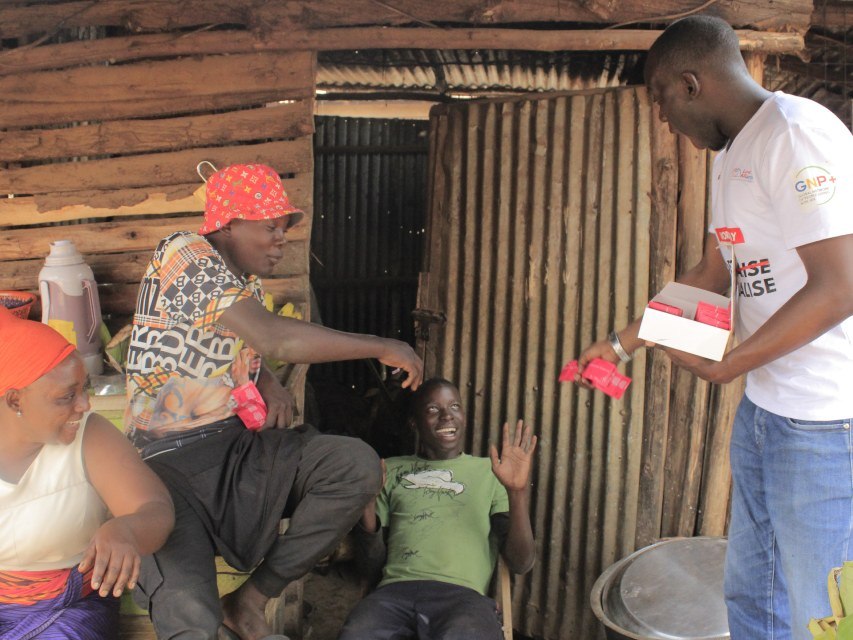
To empower young people and communities to lead healthy, productive, and purposeful lives through innovative programmes in health, education, livelihoods, and leadership.
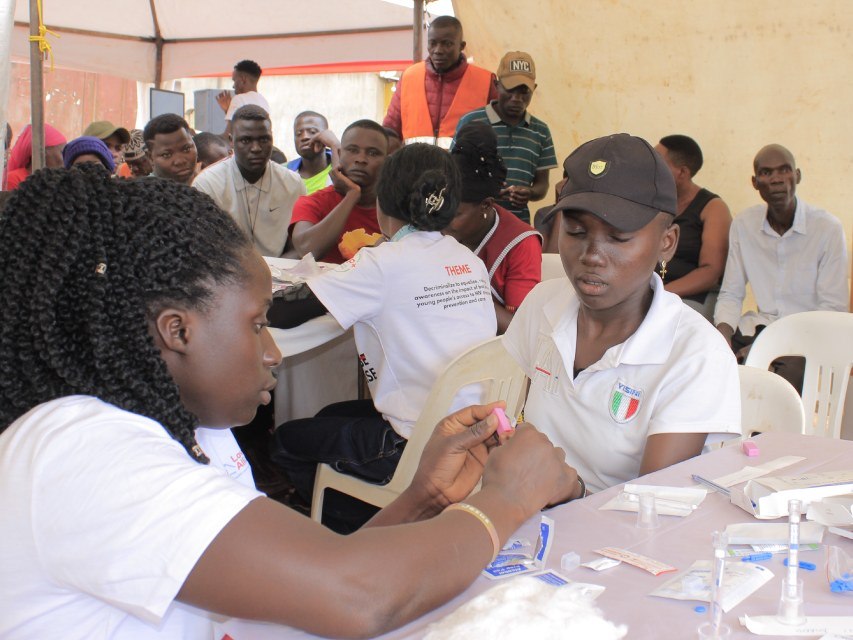
Young people living responsible lives through making informed decisions and life choices.
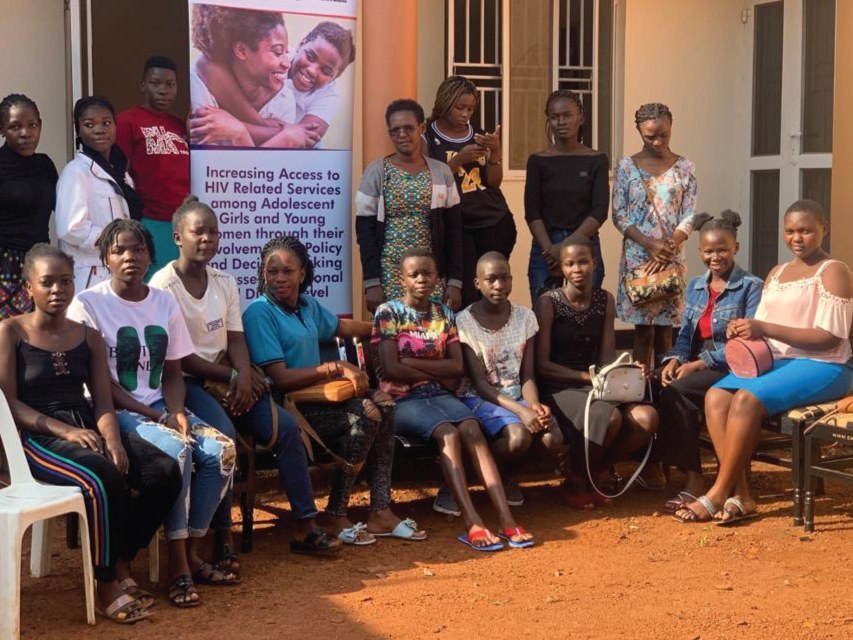
Established on 22 October 2015 as a registered non-profit and non-governmental organisation, Peer To Peer Uganda (PEERU) works towards social transformation and sustainable development — with an integrated focus on Sexual Reproductive Health and Rights, HIV and AIDS, TB, Maternal and Child Adolescent Health, and Harm Reduction programming, prioritising vulnerable and inadequately served adolescents and youth (10–30 years) in Uganda. With a footprint across more than 31 districts, PEERU has shown that young people are significant actors in sustainable development, driving positive change at grassroots, national, regional and global levels.
Between 2015 and 2020 alone, PEERU implemented READY Teens, Girls Act (Girls Kisoboka), the Know Your Body Campaign, the Annual Youth Mentorship Program, READY Pulse, HER Voice, and the Annual National Stakeholders Dialogue on Adolescent Health, among others — building deep experience in advocacy and stakeholder mobilisation to scale up SRHR, HIV and TB programming at both grassroots and national levels.
PEERU operates through four core structures: the Advisory Board, the Senior Management Team, the Core Staff Team, and Community Peers and Beneficiaries — each meeting regularly to guide policy, strategy and day-to-day operations.
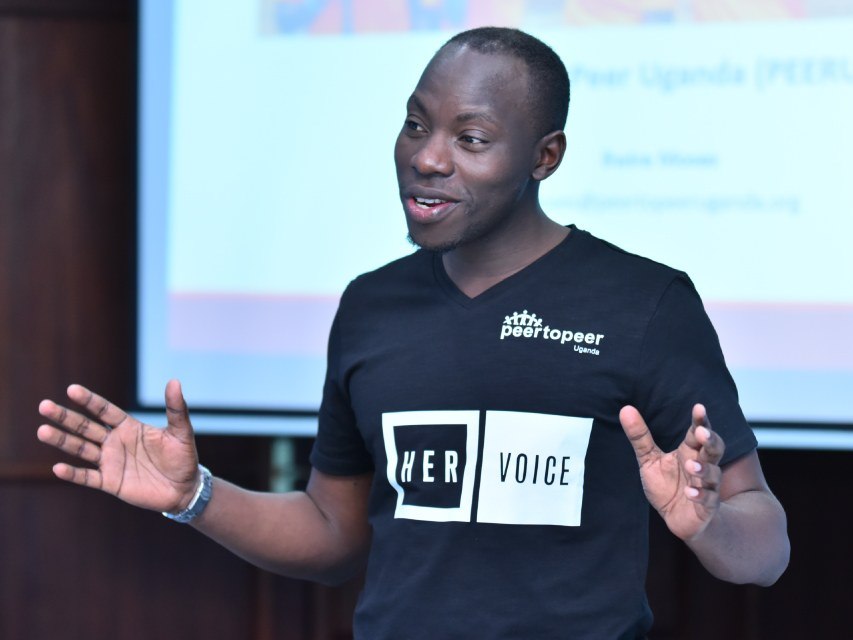
Am pleased to welcome you to the official website for Peer To Peer Uganda (PEERU). This website shares updates about who we are, where we work, what we have done previously, what we are doing now, and what our strategic direction is about. With a footprint in over 31 districts across Uganda, PEERU is dedicated to continue reaching out to and serving adolescents and youth aged 10–30 in Uganda and beyond, designing and implementing targeted, effective innovations for generations to come.
Our journey has been an exciting one since we legally started operations on 22nd October 2015. Over the years we have built amazing partnerships with the Government of Uganda through line ministries, District Local Governments, donors, funders, and local and international partners, among other key stakeholders. We're equally grateful to our Advisory Board, staff, and the over 2,000 community-based peer leaders, peer educators, mentors and volunteers who continue to fuel and sustain our community structures.
— Mr. Bwire Moses, Founder & Executive Director, PEERU
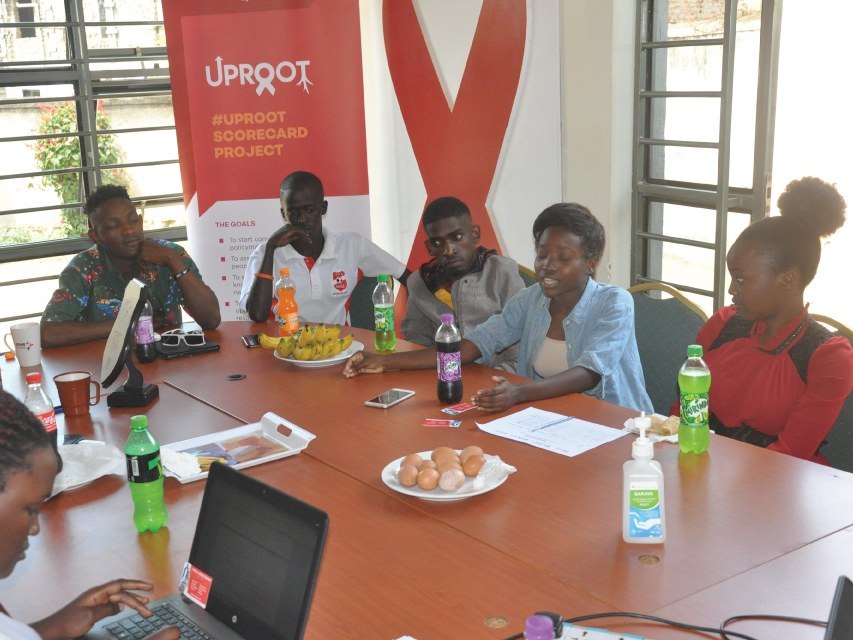
PEERU is governed by a seven-member, gender-sensitive Advisory Board of credible, professionally respected individuals who provide policy oversight alongside PEERU's technical team.
Dr. Taib Azah, Chairperson — PhD in Public Management; consultant to UNESCO and the Equal Opportunities Commission; former Dean of Students, Kampala International University.
Maurice Muhasa, Vice Chairperson.
Dr. Abel Nkolo, Board Member — medical doctor with 20+ years in TB, TB/HIV and health systems strengthening; Chief of Party, USAID Defeat TB Project; former WHO Country Advisor for TB in Uganda.
Tom Kulumba, Board Member — development management practitioner with 12+ years leading maternal, HIV/AIDS and WASH programming, and national-level SRHR and health-financing advocacy.
Judith Ninsiima, Board Member & Legal Representative.
Mutabazi Priscilla Hajjarah, Board Member & Youth Representative.
Clyde Muhumuza, Board Member — 20 years in SRHR programming and HIV/human-rights advocacy; team leader, HEYPI Uganda; Vice Chairperson, Red Cross Wakiso.
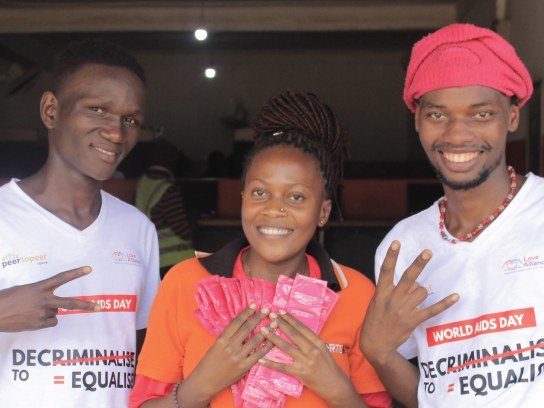
PEERU's work rests on six core competencies: Advocacy — championing policy change and holding government accountable to Vision 2040 and the National Development Plan III; Community Engagement — strengthening peer networks, community dialogue platforms, and school health clubs; Participatory Community Research — placing young people at the centre of evidence generation; Communications for Change — campaigns that inform, inspire action and mobilise communities; Improved Quality of Health Services — mentoring health workers on TB, HIV, family planning and maternal-child health; and Youth-Driven Interventions — equipping young leaders to design and drive their own solutions.
These are backed by strong capacity in monitoring, evaluation and learning, grants management and donor compliance, and multi-sectoral partnerships and government relations spanning UN agencies, line ministries, religious and cultural institutions, and civil society.