Our Story
What started as a community peer support outreach group in 2013 was formally established on 22 October 2015 as a registered non-profit and non-governmental organisation. Peer To Peer Uganda (PEERU) has since evolved into a youth- and community-focused organisation working to advance social transformation and sustainable development in Uganda.
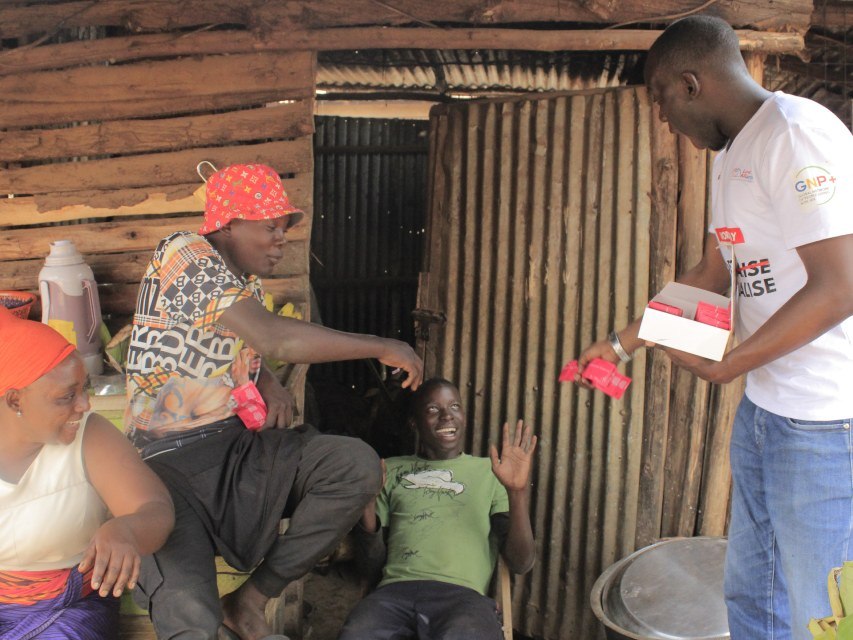
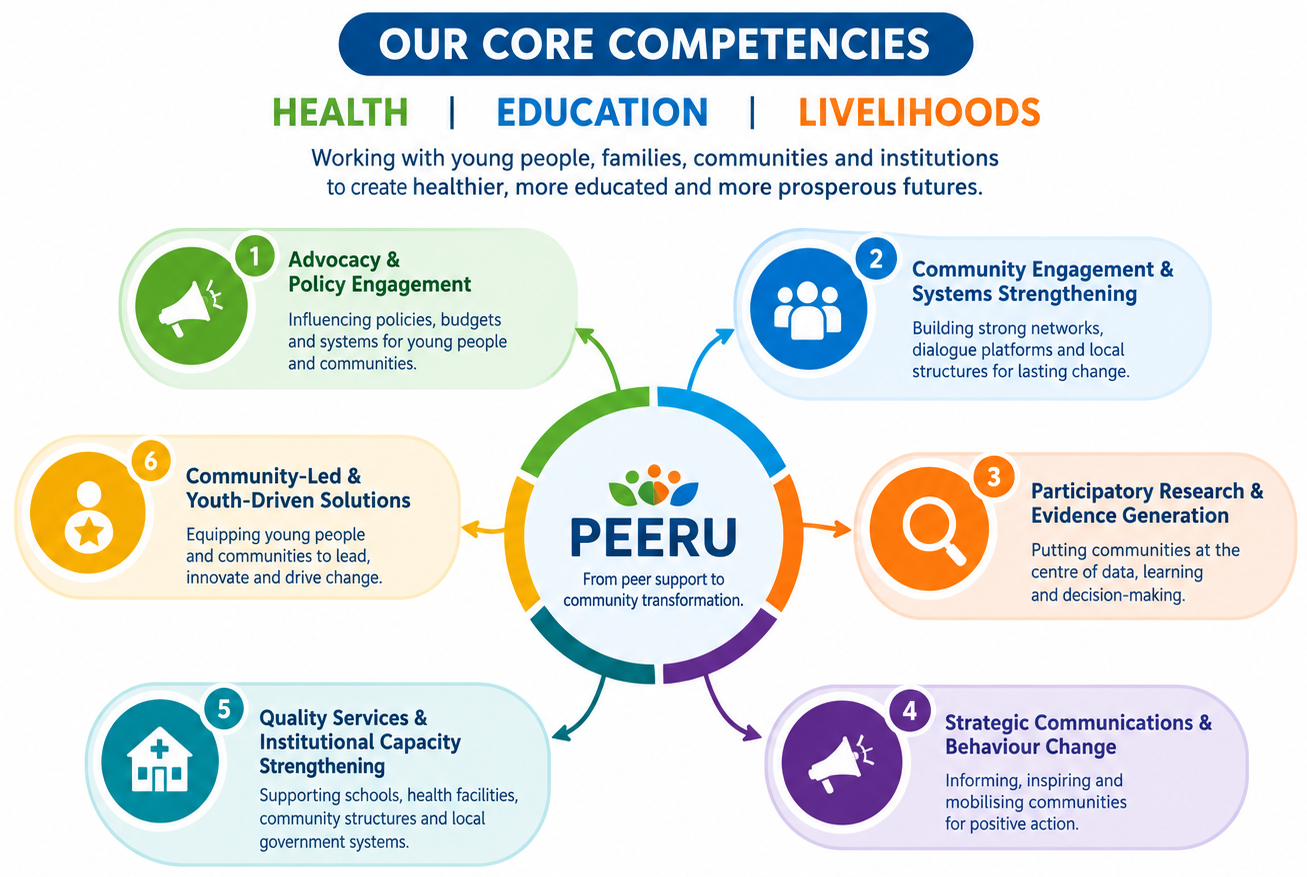
PEERU works alongside young people and communities to strengthen their capacity to make informed decisions, exercise their rights, access opportunities and services, and actively participate in shaping the development of their communities. Our work is organised around three interconnected areas: Health, Education and Livelihoods, with cross-cutting approaches in advocacy, community mobilisation, leadership development, behaviour change, capacity strengthening and meaningful participation.
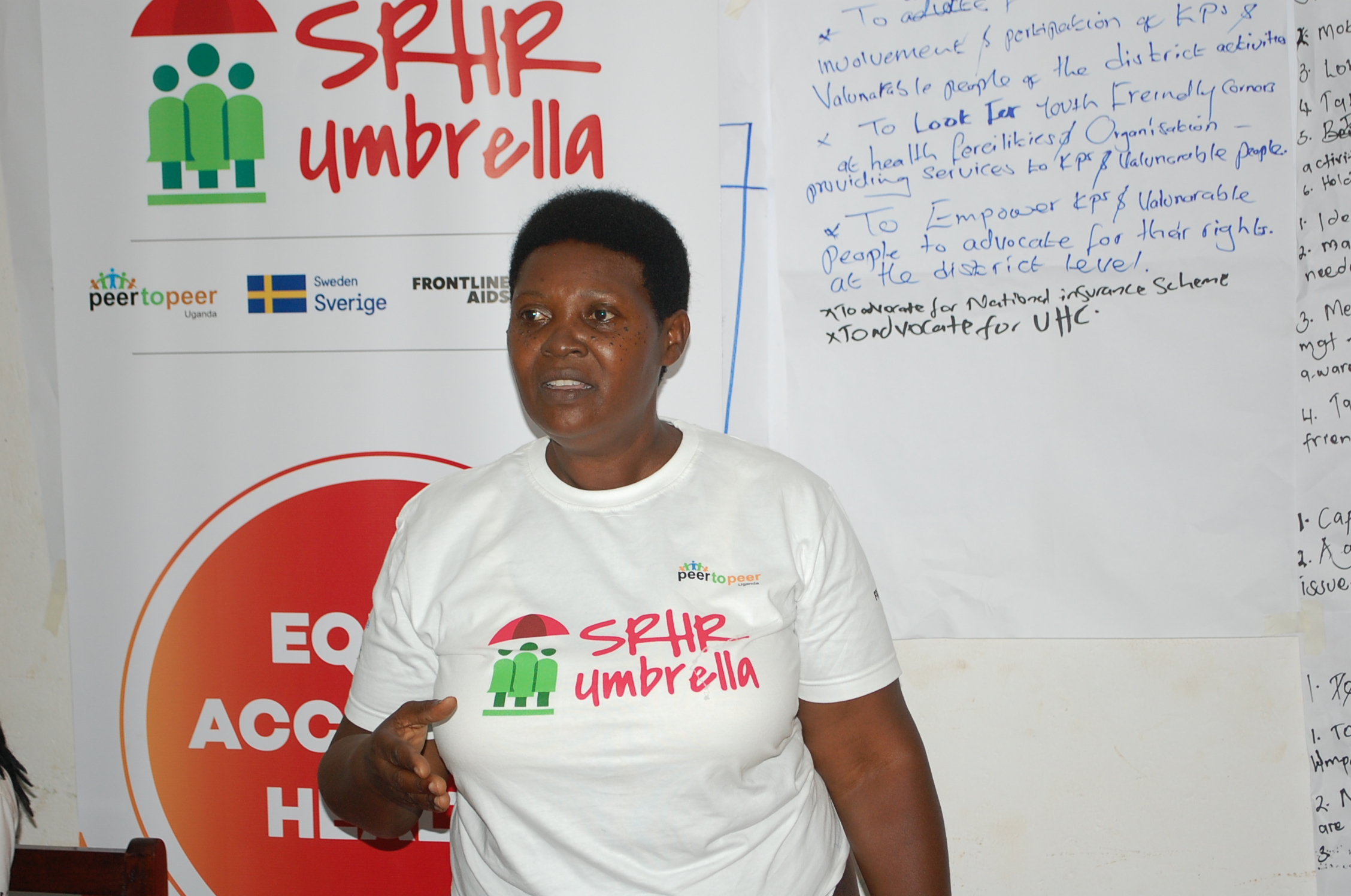
Within these areas, PEERU addresses issues including sexual and reproductive health and rights, HIV and AIDS, TB, adolescent and maternal health, gender equality, education and skills development, livelihoods, social protection, and community resilience, with particular attention to vulnerable, underserved and marginalised populations.
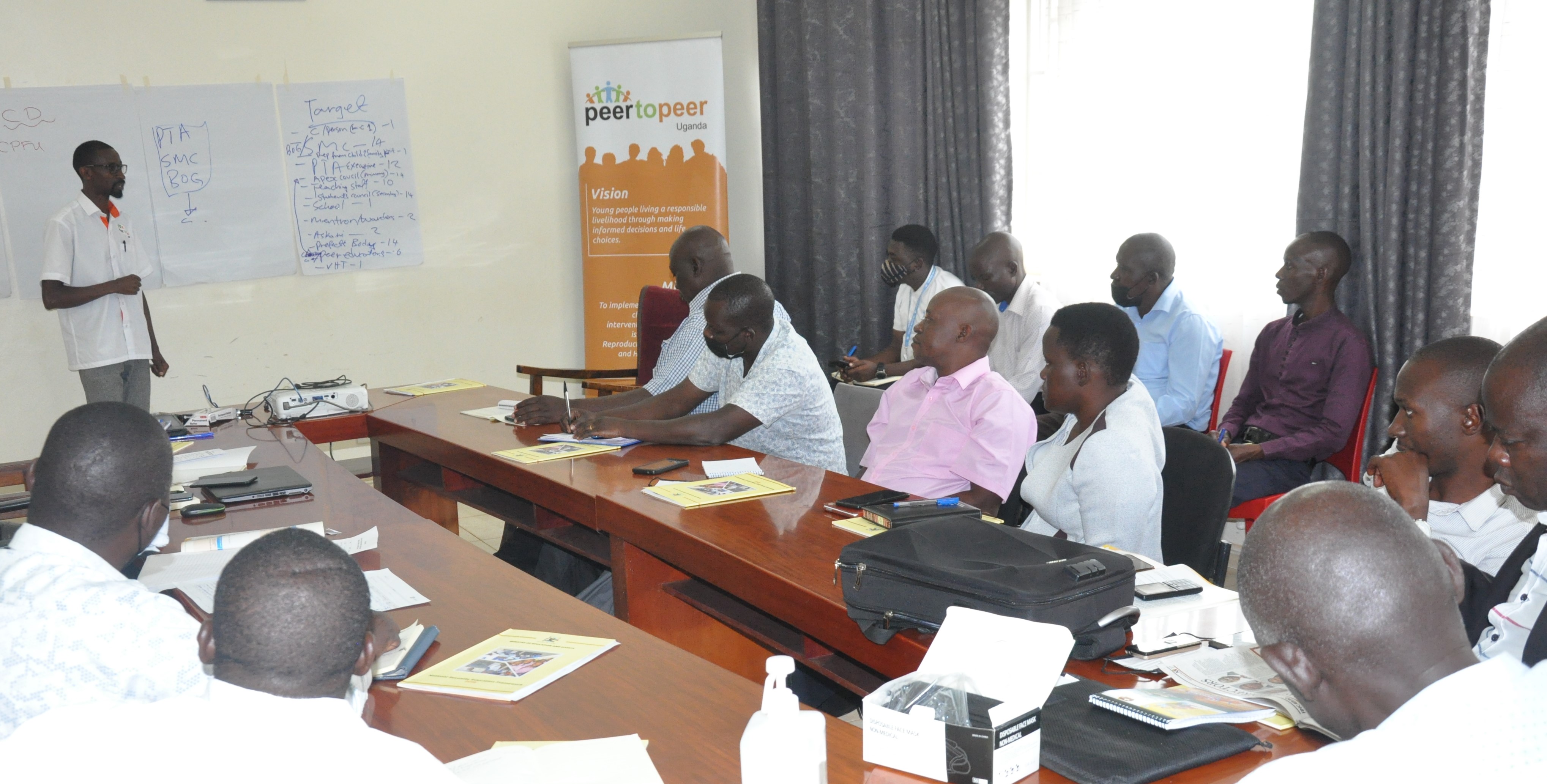
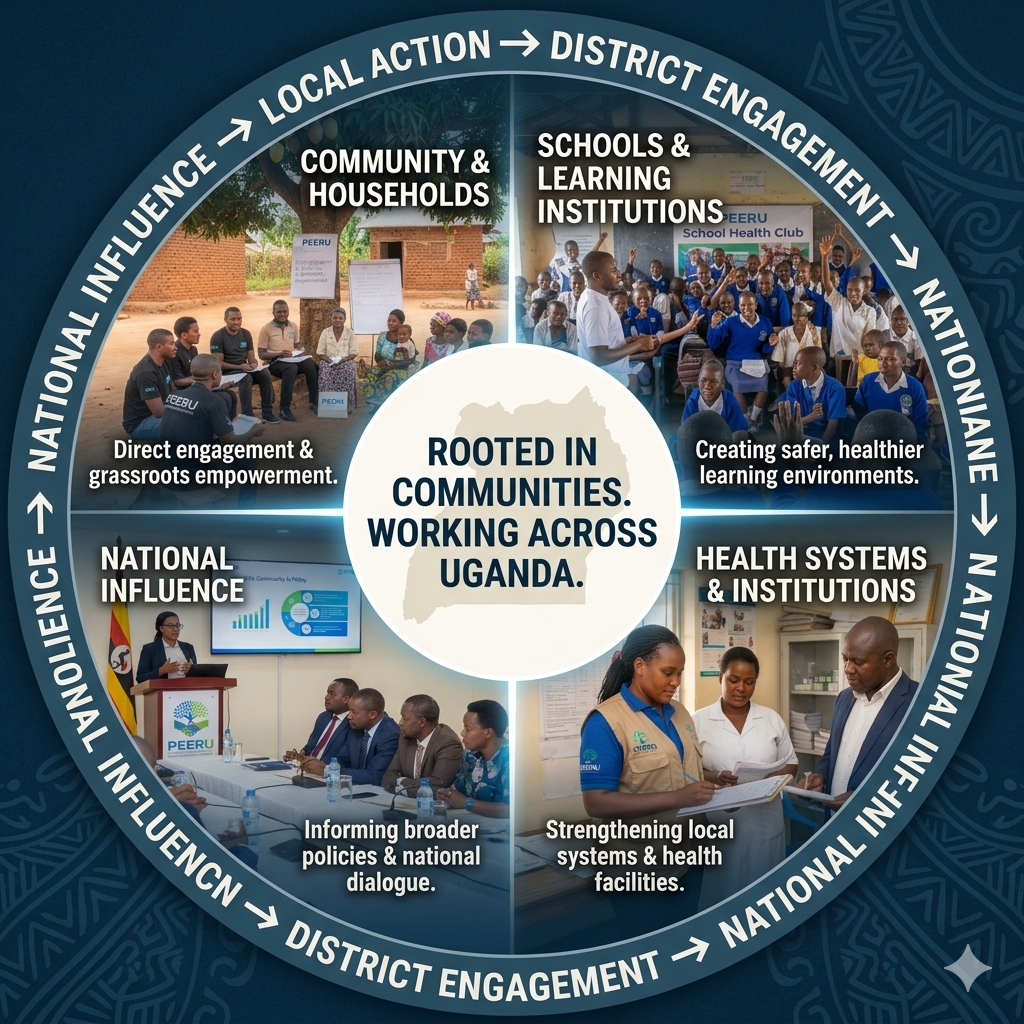
With a footprint spanning more than 31 districts in Uganda, PEERU has built a strong track record of working at grassroots, district, national, regional and global levels. We believe that young people and communities are not merely beneficiaries of development, but important actors, leaders and partners in creating sustainable change.
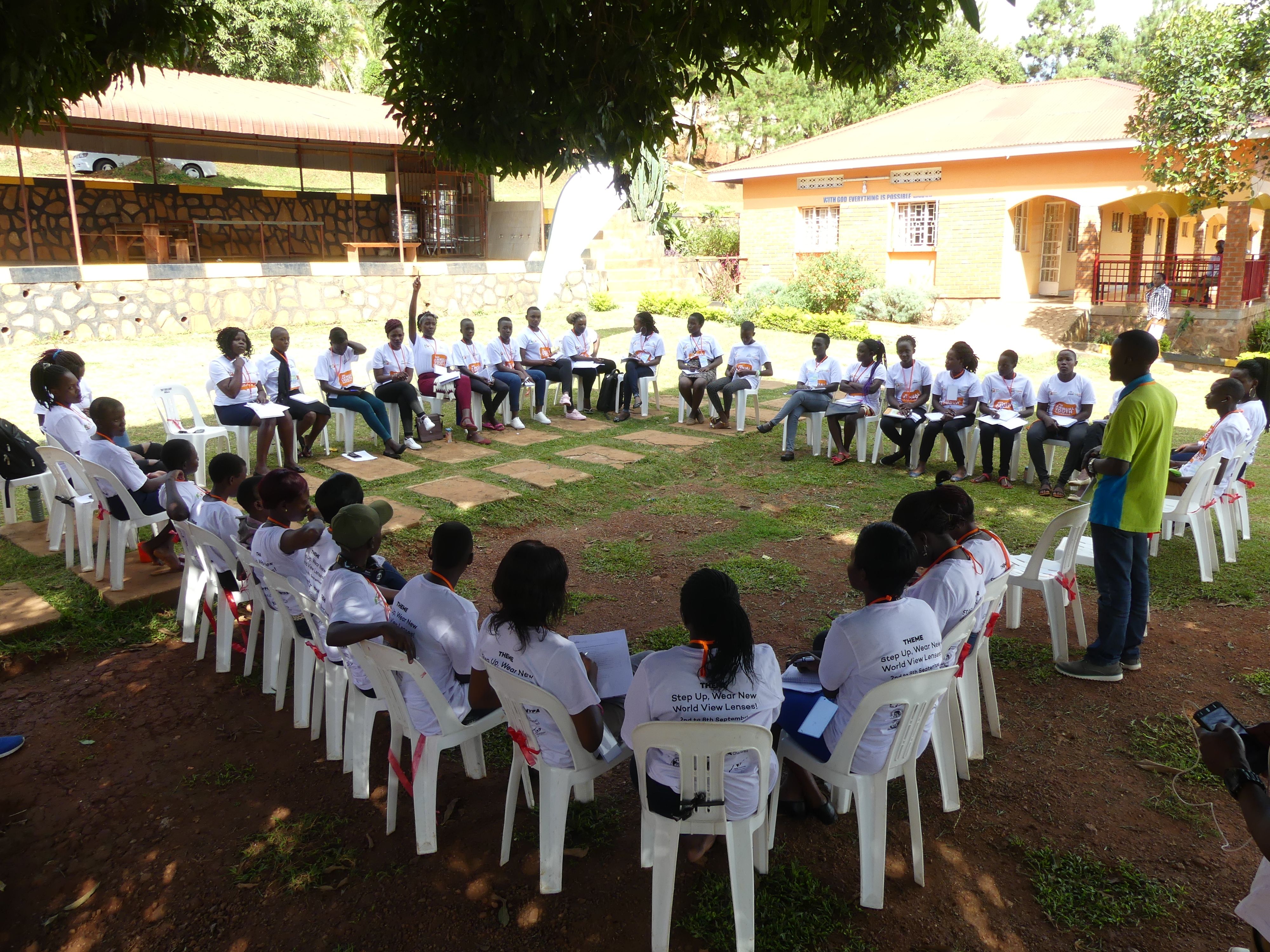
Between 2015 and 2026, PEERU has implemented and supported a range of programmes and initiatives, including READY Teens, Girls Act (Girls Kisoboka), the Know Your Body Campaign, the Annual Youth Mentorship Programme, READY Pulse, HER Voice, YouthWYZE, Empower+, the Annual National Stakeholders Dialogue on Adolescent Health, and other community, education, health and livelihoods initiatives. These experiences have strengthened PEERU's expertise in youth and community engagement, advocacy, stakeholder mobilisation, capacity strengthening, peer-led programming and policy influence.